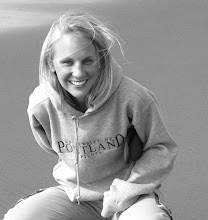
Day 17 ( Terradillos de Los Templarios to El Burgo Ranero -31 km) Today was definitely one of the most challenging days so far. Although we had really been looking forward to the flat stretches, we realized today that flat means absolutely no shade and as such makes for a much more grueling and challenging walk. We walked some 30 kilometers today without shade, along a part of the Camino known as being the "loneliest" part of the Camino. Thank goodness we have each other...right? We had actually planned on stopping at a village at approximately 24 kilometers, however we arrived to find the Albergue closed until 1.30. Rather than wait two hours in the blistering hot sun, we decided we might as well walk 7 more km and make some progres (albeit in the blistering hot sun as well). Days like today really make you feel humble...and at the mercy of the elements. But we made it another day, and are another day closer to our final destination.
Day 16 (Carrion de los Condes to Terradillos de Los Templarios - 25 km) Walking from Carrion de los Condes we faced a 17 km stretch of nothingness. No towns to pass through, no bars, no water, no shade. Just kilometers of land, fields, and tired pilgrims. However, we managed to keep our spirits high, and eventually trailed into Terradillos de Los Templarios...only to realize the Albergue was basically the whole town. Sometimes it is a little frustrating after walking for 6 to 8 hours to find yourself in a town with absolutely nothing other than an Albergue. There is nowhere to eat, to pick up a sandwich (or bocadillo) or any snacks. So you usually end up paying the high prices at the Albergue. However, we are learning to accept the circumstances and are still smiling.
Day 15 (Boadilla to Carrion de los Condes - 26 km) Beautiful day for walking, but incresingly warmer. Pretty flat trail today, nothing too complicated. Flat days are nice welcome breaks from the up and down trails the past few days. Once we arrived in Carrion de los Condes we made our way to one of the Albergues (which actually happened to be a convent still run by nuns). Turned out to be very clean and a nice set up...but not ideal when you have a lot of laundry to do. We hand wash all our clothes and hang them to dry, and usually in a few hours they are dry. Not today. After being out ALL day and then brought in at night (and hung in the hallway) we still woke up to wet wool socks and undergarments. The Camino can be a little challenging at times...in fact, walking long distances sometimes is the easy part. Haha. However, in Carrion de los Condes we bought a 9 euro box of cookies from the local monestery that were to die for. Abolutely incredible little bites of heaven. To be honest, it was probably the best part of the day!
Thursday, June 18, 2009

Friday, June 12, 2009
Camino de Santaigo (Part 4)
Day 14 (Hontanas to Boadilla - 28 km): First day of real rain...but not complaining at all! We were thrilled! We have not had shade the past 7 days...so every bit of cloud cover is appreciated!
Day 13 (Burgos to Hontanas - 30 km): Long walk but absolutely beautiful. Felt as if we were on top of the world as we were crossing kilometer after kilometer of high plains. Fields filled with crops and bright red poppies. Truly impressive!
Day 12 (Atapuerco to Burgos - 21 km): Burgos! Our first visit to an incredible city originally founded in the 800s. Talk about history! Mom and I were pretty tuckered out...and arrived before the albergue was open. So we decided to stay in a quaint old hotel. Don´t tell anyone, but we both took two showers! :) Then we took an hour or so to explore the cathedral (constructed in 1212). After that, we decided our feet had had enough, so we hopped on a little red "chu chu" tourist train and went throughout the city. Absolutely incredible. http://wikipedia.org/wiki/Burgos_Cathedral
Day 11 (Tosantos to Atapuerco - 24 km): Climbed up a fairly steep mountain this morning...and then went for 12 kilometers along a perfectly flat, dry, HOT, section at the top of the mountain. Eventually made it to a town (what seemed like 100 km later), and then decided to keep going for another 6 km. We must have been nuts. It was quite warm, and the 6 km stretch was along the road. Once we entered Atapuerco, however, we were greeted by a lovely new Albergue, and a fabulous lunch (with arroz con leche to die for!!!). It is a historic town...if interested, google Atapuerca Man.
Day 10 (St. Domingo de la Calzada to Tosantos - 27 km): Lovely walk today, but quite long. Small towns were far apart, but welcome sites when we arrived. Decided to push it a little further than normal and went to a small town called Tosantos to spend the night. The only albergue there happened to be a "Pilgrims hospital" and was quite small...and well...rustic. We slept on mats on the floor, cooked our own dinner (in tubs that peoples feet had previously been soaking in.... ... ...), but surprisingly we are still alive and Mom is still smiling. Quite an experience.
Day 13 (Burgos to Hontanas - 30 km): Long walk but absolutely beautiful. Felt as if we were on top of the world as we were crossing kilometer after kilometer of high plains. Fields filled with crops and bright red poppies. Truly impressive!
Day 12 (Atapuerco to Burgos - 21 km): Burgos! Our first visit to an incredible city originally founded in the 800s. Talk about history! Mom and I were pretty tuckered out...and arrived before the albergue was open. So we decided to stay in a quaint old hotel. Don´t tell anyone, but we both took two showers! :) Then we took an hour or so to explore the cathedral (constructed in 1212). After that, we decided our feet had had enough, so we hopped on a little red "chu chu" tourist train and went throughout the city. Absolutely incredible. http://wikipedia.org/wiki/Burgos_Cathedral
Day 11 (Tosantos to Atapuerco - 24 km): Climbed up a fairly steep mountain this morning...and then went for 12 kilometers along a perfectly flat, dry, HOT, section at the top of the mountain. Eventually made it to a town (what seemed like 100 km later), and then decided to keep going for another 6 km. We must have been nuts. It was quite warm, and the 6 km stretch was along the road. Once we entered Atapuerco, however, we were greeted by a lovely new Albergue, and a fabulous lunch (with arroz con leche to die for!!!). It is a historic town...if interested, google Atapuerca Man.
Day 10 (St. Domingo de la Calzada to Tosantos - 27 km): Lovely walk today, but quite long. Small towns were far apart, but welcome sites when we arrived. Decided to push it a little further than normal and went to a small town called Tosantos to spend the night. The only albergue there happened to be a "Pilgrims hospital" and was quite small...and well...rustic. We slept on mats on the floor, cooked our own dinner (in tubs that peoples feet had previously been soaking in.... ... ...), but surprisingly we are still alive and Mom is still smiling. Quite an experience.
Tuesday, June 9, 2009
Camino de Santiago (Part 3)
Day 9 (Najera to Santo Domingo de la Calzada - 21 km): Nice walk today. Arrived pretty early into Santo Domingo de la Calzada. A beautiful large town with quite a history with pilgrims. Entered the albergue and thought we had entered a hotel. It has only been open for a couple months and is absolutely beautiful. Rooms only have 20 beds, which is nice considering the last one had over 80 beds in the main room. There are a lot of showers too!
Día 9 (Najera a Santo Domingo de la Calzada - 21 km): Un buen camino hoy. Llegamos temprano al Santo Domingo de la Calzada, un pueblo precioso con una historia large con los peregrinos del Camino de Santiago. Entramos en el albergue municipal pero pensábamos que entramos en un hotel o algo. Es un albergue nuevo, y es increíble. Solo ha estado abierto un par de meses. Las habitaciones solo tienen 20 camas (que es mucho mejor que 80 camas como los otros albergues). Hay muchas duchas también!
Day 8 (Logroño to Najera - 29 km): Took off on another extremely long trek to Najera today. Passed through Navarette, a beautiful little town, but decided to make up some ground and proceed on to Najera. Got in a little late, missed lunch (but grabbed a few tapas), and stayed in a hot, smelly, and not so great albergue. Still pushing forward though.
Día 8 (Logroño a Najera - 29 km): Empezamos otro camino muy largo a Najera hoy. Pasamos por Navarette, un pueblo muy bonito, pero decidimos seguir hasta Najera. Llegamos un poco tarde, no había ningun sitio abierto para almorzar (pero encontramos un bar y algunas tapitas). Quedamos en un albergue no tan bueno...pero no pasa nada, seguiremos.
Day 7 (Los Arcos to Logroño - 30 km): We left at 6:00 am this morning, the earliest we have left yet. As such, we arrived in the suggested destination at around 10 am. It seemed like a waste to stop so early, so we explored the town, had a nice relaxing coffee break, and continued our trek to Logroño (another 10 km away). We arrived around 2:00 and ran to the albergue to get beds, but didn´t have much luck checking in. So we ended up staying in the Cathedral. Just as good, cleaner, and had two "meals" provided. We had hoped to relax a little, but instead ended up running around town to find a post office to ship some "uneccessary" items home. Then we tried to find someone who could help with mom´s feet. Needless to say, we saw almost ALL of Logroño and got absolutely no rest. Such is life. On a positive note, there was a local festival...so we got to see some pretty neat costumes and festivities.
Día 7 (Los Arcos a Logroño - 30 km): Salimos a las 6:00 de la mañana, lo más temprano que hemos salido jamás. Por eso, llegamos muy temprano al pueblo dónde se sugieren quedar la noche. Parecía tonto parar de andar tan temprano, pero exploramos el pueblo, tomamos unos cafés, y seguimos hasta Logroño (otro 10 km más). Llegamos a las 2:00 y fuimos a coger algunas camas en el albergue. Pero no tenemos suerte. Fuimos al catedral, y quedamos la noche allí. Era limpió, bonito, y allí nos han dado dos comidas! Esperabamos encontrar tiempo para relajar, pero estuvimos corriendo a todos lados a buscar un correos para enviar algunas cositas de nuestras mochillas a los EEUU. Después, buscabamos un sitio dónde se podrían ayudar mi madre (y sus pies). Por casualidad, hemos visto todo Logroño...andando. Así es la vida. Pero había una fiesta (Día de la Rioja) y veamos algunas cosas guay!
Day 6 (Ayegui to Los Arcos (21 km): Bit of a "short" walk today, but long enough being as though our legs and feet have had enough. It is not stopping us by any means, but it does make the walk a little less pleasurable. I suppose that is what this is about, in a way. Mind over matter, learning to accept a bit of suffering to see a lot of beauty. I will say in 6 days I have already learned to appreciate my feet and legs more than I ever have. Oh, and chairs too. I have never appreciated chairs so much in my life (and local bars too...haha). Beautiful day walking, and Los Arcos was a darling little town with a beautiful old cathedral and a whopping 2 restaurants.
Día 6 (Ayegui a Los Arcos (21 km): Un "paseo corto" hoy...pero suficiente. Nuestros piernas y pies nos duelen mucho...y no quieren andar. Sin embargo, seguimos andando aunque el Camino podría ser mucho mejor sin el dolor. Pero supongo que eso es una parte de la lección, ¿no? La mente tiene que aprender no pensar del dolor, y que tienes que aceptar sufrimiento para ver tanta belleza. Os digo que en 6 días ya he aprendido apreciar mis pies y mis piernas más que nunca. Oy, y sillas/bancos también. Nunca en mi vida he apreciado las sillas tanto como ahora (y bares tampoco!). Un día bonito para andar, y Los Arcos era un pueblecito bonito con una catedral preciosa y 2 restaurantes. jaja
Day 5 (Puente la Reina to Ayegui - 24 km): Puente la Reina turned out to be a beautiful town in central Navarra. Here, two of the Camino de Santiago routes combine...so there were quite a few people starting off in the morning. However, my mom walks pretty quick (and her 22 year old daughter can barely keep up) and we were able to outrun most. We pushed on a few kilometers further than the recommended destination, and encountered a monastery and winery which give pilgrims free wine. Unfortunately I am not much of a wine fan, but mom certainly enjoyed it! We ended up finding ourself in a darling little log cabin (part of a camp ground facility). For the first night in 5 days we got some privacy, a looong hot shower, and washed our clothes! :)
Día 5 (Puente la Reina a Ayegui - 24 km): Puente la Reina es un pueblo muy bonito en Navarra. Aquí se unen dos rutas del camino de santiago, asi que había mucha más gente andando por la mañana. Aunque la destinación sugerida fue Estella, decidimos andar un poco más y encontramos un monasterio y bodega, las cuales dan vino gratis a los peregrinos. ¡Qué pena que a mi no me gusta el vino...pero mi madre, sí! Ella lo ha disfrutado mucho. Con suerte, encontramos un camping, y quedamos ahí por la noche en una casita! La primera noche en 5 días sin otra gente!
******
I have to say that I am starting to ask myself why I am doing this walk. I still dont quite have an answer. I think I am doing it just to know I can, and I did. But this seems like a silly reason to me. Without a doubt it is the most difficult think I have ever done in my life. And so far I am only 9 days and 215 km into it, and still have another 20 some days and 600 km until Santiago.
Tengo que decir que estoy empezando preguntarme porque estoy haciendo este camino. Todavía no tengo respuesta. Creo que lo estoy haciendo para saber que puedo. Pero me parece una respuesta y una razon tonta. Sin duda es la cosa más difícil que he hecho en mi vida. Y solo llevo 9 días y 215 kilometres...y faltan 20 algo días y 600 kilometres...
Día 9 (Najera a Santo Domingo de la Calzada - 21 km): Un buen camino hoy. Llegamos temprano al Santo Domingo de la Calzada, un pueblo precioso con una historia large con los peregrinos del Camino de Santiago. Entramos en el albergue municipal pero pensábamos que entramos en un hotel o algo. Es un albergue nuevo, y es increíble. Solo ha estado abierto un par de meses. Las habitaciones solo tienen 20 camas (que es mucho mejor que 80 camas como los otros albergues). Hay muchas duchas también!
Day 8 (Logroño to Najera - 29 km): Took off on another extremely long trek to Najera today. Passed through Navarette, a beautiful little town, but decided to make up some ground and proceed on to Najera. Got in a little late, missed lunch (but grabbed a few tapas), and stayed in a hot, smelly, and not so great albergue. Still pushing forward though.
Día 8 (Logroño a Najera - 29 km): Empezamos otro camino muy largo a Najera hoy. Pasamos por Navarette, un pueblo muy bonito, pero decidimos seguir hasta Najera. Llegamos un poco tarde, no había ningun sitio abierto para almorzar (pero encontramos un bar y algunas tapitas). Quedamos en un albergue no tan bueno...pero no pasa nada, seguiremos.
Day 7 (Los Arcos to Logroño - 30 km): We left at 6:00 am this morning, the earliest we have left yet. As such, we arrived in the suggested destination at around 10 am. It seemed like a waste to stop so early, so we explored the town, had a nice relaxing coffee break, and continued our trek to Logroño (another 10 km away). We arrived around 2:00 and ran to the albergue to get beds, but didn´t have much luck checking in. So we ended up staying in the Cathedral. Just as good, cleaner, and had two "meals" provided. We had hoped to relax a little, but instead ended up running around town to find a post office to ship some "uneccessary" items home. Then we tried to find someone who could help with mom´s feet. Needless to say, we saw almost ALL of Logroño and got absolutely no rest. Such is life. On a positive note, there was a local festival...so we got to see some pretty neat costumes and festivities.
Día 7 (Los Arcos a Logroño - 30 km): Salimos a las 6:00 de la mañana, lo más temprano que hemos salido jamás. Por eso, llegamos muy temprano al pueblo dónde se sugieren quedar la noche. Parecía tonto parar de andar tan temprano, pero exploramos el pueblo, tomamos unos cafés, y seguimos hasta Logroño (otro 10 km más). Llegamos a las 2:00 y fuimos a coger algunas camas en el albergue. Pero no tenemos suerte. Fuimos al catedral, y quedamos la noche allí. Era limpió, bonito, y allí nos han dado dos comidas! Esperabamos encontrar tiempo para relajar, pero estuvimos corriendo a todos lados a buscar un correos para enviar algunas cositas de nuestras mochillas a los EEUU. Después, buscabamos un sitio dónde se podrían ayudar mi madre (y sus pies). Por casualidad, hemos visto todo Logroño...andando. Así es la vida. Pero había una fiesta (Día de la Rioja) y veamos algunas cosas guay!
Day 6 (Ayegui to Los Arcos (21 km): Bit of a "short" walk today, but long enough being as though our legs and feet have had enough. It is not stopping us by any means, but it does make the walk a little less pleasurable. I suppose that is what this is about, in a way. Mind over matter, learning to accept a bit of suffering to see a lot of beauty. I will say in 6 days I have already learned to appreciate my feet and legs more than I ever have. Oh, and chairs too. I have never appreciated chairs so much in my life (and local bars too...haha). Beautiful day walking, and Los Arcos was a darling little town with a beautiful old cathedral and a whopping 2 restaurants.
Día 6 (Ayegui a Los Arcos (21 km): Un "paseo corto" hoy...pero suficiente. Nuestros piernas y pies nos duelen mucho...y no quieren andar. Sin embargo, seguimos andando aunque el Camino podría ser mucho mejor sin el dolor. Pero supongo que eso es una parte de la lección, ¿no? La mente tiene que aprender no pensar del dolor, y que tienes que aceptar sufrimiento para ver tanta belleza. Os digo que en 6 días ya he aprendido apreciar mis pies y mis piernas más que nunca. Oy, y sillas/bancos también. Nunca en mi vida he apreciado las sillas tanto como ahora (y bares tampoco!). Un día bonito para andar, y Los Arcos era un pueblecito bonito con una catedral preciosa y 2 restaurantes. jaja
Day 5 (Puente la Reina to Ayegui - 24 km): Puente la Reina turned out to be a beautiful town in central Navarra. Here, two of the Camino de Santiago routes combine...so there were quite a few people starting off in the morning. However, my mom walks pretty quick (and her 22 year old daughter can barely keep up) and we were able to outrun most. We pushed on a few kilometers further than the recommended destination, and encountered a monastery and winery which give pilgrims free wine. Unfortunately I am not much of a wine fan, but mom certainly enjoyed it! We ended up finding ourself in a darling little log cabin (part of a camp ground facility). For the first night in 5 days we got some privacy, a looong hot shower, and washed our clothes! :)
Día 5 (Puente la Reina a Ayegui - 24 km): Puente la Reina es un pueblo muy bonito en Navarra. Aquí se unen dos rutas del camino de santiago, asi que había mucha más gente andando por la mañana. Aunque la destinación sugerida fue Estella, decidimos andar un poco más y encontramos un monasterio y bodega, las cuales dan vino gratis a los peregrinos. ¡Qué pena que a mi no me gusta el vino...pero mi madre, sí! Ella lo ha disfrutado mucho. Con suerte, encontramos un camping, y quedamos ahí por la noche en una casita! La primera noche en 5 días sin otra gente!
******
I have to say that I am starting to ask myself why I am doing this walk. I still dont quite have an answer. I think I am doing it just to know I can, and I did. But this seems like a silly reason to me. Without a doubt it is the most difficult think I have ever done in my life. And so far I am only 9 days and 215 km into it, and still have another 20 some days and 600 km until Santiago.
Tengo que decir que estoy empezando preguntarme porque estoy haciendo este camino. Todavía no tengo respuesta. Creo que lo estoy haciendo para saber que puedo. Pero me parece una respuesta y una razon tonta. Sin duda es la cosa más difícil que he hecho en mi vida. Y solo llevo 9 días y 215 kilometres...y faltan 20 algo días y 600 kilometres...
Friday, June 5, 2009
Camino de Santiago (Part 2)
Day 4 (Cezor Menor to Puente la Reina - 21 km): The landscape continues to be breathtaking. Took off bright and early this morning (6:30 am) to head to Puente la Reina. Morning was cool and extremely foggy which inhibited some of the views, but also added to the splendor of the landscape. Had our first experience with rain...a little challenging but not too bad...yet. Bodies are still moving, but the feet and legs are certainly suffering a bit. Housing (and sleeping with a minimum of 10 strangers) is getting to Mom. I guess I am used to it from the dorms, but must admit a little (or ANY) privacy for 5 minutes would be welcome. :) Will continue trekking forward tomorrow. We have covered about 85 some kilomters and still going strong.
Día 4 (Cezor Menor to Puente la Reina - 21 km): El paisaje es incredible todavía. Salimos a las 6:30 esta mañana andando hacía Puente la Reina. Hacía calor por la manaña y había muchas nubes, pero todavía bonito. YYYY...no tengo tiempo terminar este blog, así que mañana escribaré.
Day 3 (Zubiri to Cezor Menor - 24 km): Zubiri turned out to be a very nice (although extremely small) pueblo. Third day walking was not as challenging, so it seems our bodies are getting used to the stress. We had a beautiful and sunny day for walking...but it was almost too hot for comfort. Hence why we continue to leave around 6:30 in the morning. Before arriving in Cezor Menor, we passed through some beautiful little pueblos, and once again passed through Pamplona. We stopped to explore a few historic sites, and grabbed some cool drinks to tide us over. Somehow we managed to make it to Cezor Menor where we found a darling little hostel to spend the night.
Día 3 (Zubiri to Cezor Menor - 24 km): Zubiri fue un pueblo (aunque muy pequeño) muy bonito. Nuestro tercer día andando no fue tan difícil como los anteriores, así que parece que nuestros cuerpos son acustumbrando. Fue un día precioso y hacía mucho sol...pero hacía demasiado calor. Por eso, seguimos saliendo a las 6:30 de la manaña. Hemos cruzado un montón de pueblos bonitos, y otra vez pasabamos por Pamplona. Ahí exploramos un poco, y seguimos hasta Cezor Menor donde hemos quedado la noche.
Día 4 (Cezor Menor to Puente la Reina - 21 km): El paisaje es incredible todavía. Salimos a las 6:30 esta mañana andando hacía Puente la Reina. Hacía calor por la manaña y había muchas nubes, pero todavía bonito. YYYY...no tengo tiempo terminar este blog, así que mañana escribaré.
Day 3 (Zubiri to Cezor Menor - 24 km): Zubiri turned out to be a very nice (although extremely small) pueblo. Third day walking was not as challenging, so it seems our bodies are getting used to the stress. We had a beautiful and sunny day for walking...but it was almost too hot for comfort. Hence why we continue to leave around 6:30 in the morning. Before arriving in Cezor Menor, we passed through some beautiful little pueblos, and once again passed through Pamplona. We stopped to explore a few historic sites, and grabbed some cool drinks to tide us over. Somehow we managed to make it to Cezor Menor where we found a darling little hostel to spend the night.
Día 3 (Zubiri to Cezor Menor - 24 km): Zubiri fue un pueblo (aunque muy pequeño) muy bonito. Nuestro tercer día andando no fue tan difícil como los anteriores, así que parece que nuestros cuerpos son acustumbrando. Fue un día precioso y hacía mucho sol...pero hacía demasiado calor. Por eso, seguimos saliendo a las 6:30 de la manaña. Hemos cruzado un montón de pueblos bonitos, y otra vez pasabamos por Pamplona. Ahí exploramos un poco, y seguimos hasta Cezor Menor donde hemos quedado la noche.
Wednesday, June 3, 2009
Camino de Santiago (Part 1)
As most of you know, my Mom and I are walking the Camino de Santiago (the Way of St. James). We are walking 800 kilometers from St. Jean Pied de Port (France) to Santiago de Compostela (Spain) where the remains of the apostle Saint James are buried (according to legend), and will end in Finisterre (Spain), which some once claimed was the end of the earth. I will be updating my blog as often as possible, so check back for updates on our progress. I am writing in both Spanish and English, so scroll down (every other paragraph is in English). If you want to learn more about the Camino de Santiago, visit the following site:
http://en.wikipedia.org/wiki/Way_of_St._James
Como sabeis, mi madre y yo estamos andando el Camino de Santiago. Vamos a andar 800 kilometres desde St. Jean Pied de Port (Francia) hasta Santiago de Compostela (España) y terminarémos en Finisterre (España)...el fin de la tierra. Voy a intender conectar a mi blog a menudo, así que debes visitar mi pagina cuando puedas. Estoy escribiendo en ingles y español. Disculpad mis errores por favor. :) Si quieres aprender más sobre el camino, visitad esta pagina web: http://es.wikipedia.org/wiki/Camino_de_santiago
Day 0: From Madrid my mother and I (barely) caught a train to Pamplona. Once in Pamplona, we ate lunch, explored a little of the historic section (walking on the same streets the bulls run during the Fiesta de San Fermin), and then caught a bus to Roncesvalles. From Roncesvalles, we took a taxi to St. Jean Pied de Port where we spent the night in our first albergue (in a room with 12 strangers).
Día 0: Desde Madrid, mi madre y yo cogimos un tren a Pamplona. Una vez que estuvimos en Pamplona, exploramos la parte antigua (andando donde corren los toros durante la fiesta de San Fermin) y después cogimos un autobus hasta Roncesvalles. Desde ahí, cogimos un taxi a St. Jean Pied de Port, donde quedamos la noche en nuestro primer albergue (en una habitación con 12 desconocidos).
Day 1 (St. Jean Pied de Port to Roncesvalles - 26 km): We woke up at 6 in the morning, ate breakfast, and began the most challenging part of the Camino at 7:15 in the morning. The Camino is divided into 30 some days/stages, and the first is without a doubt the most difficult. With my Mom and I both carrying 20 pound backpacks, we began the walk and encountered our first hill. We climbed extreme vertical hills from the moment we walked out our door until 1:30 pm (ending in Roncesvalles at 2:30). The first downhill section we encountered was the descent down to Roncesvalles. And to my surprise, there is nothing easy about downhill either. It was an excruciatingly difficult day, but perhaps the most beautiful as well. It truly felt as though we were climbing to heaven. We climbed mountain after mountain, wandered past beautiful green fields with hundreds of grazing sheep, cows, and horses, and looked down on the clouds. Words truly cannot express the incredible views. The Pyranese Mountains are breathtaking.
Día 1 (St. Jean Pied de Port a Roncesvalles - 26 km): Despertamos a las 6 de la mañana, comimos el desayuno, y empezamos la parte más difícil del Camino a las 7:15 de la mañana. El Camino esta dividida en 30 días/etapas, y el primero es lo más difícil sin duda. Con mochilas que pesan 13 kilos (cada una) mi madre y y empezamos a andar. Desde el momento que salimos, estuvimos andando cuestas verticales...todo arriba hasta la 1:30. La primera cuesta abajo era cuando estuvimos llegando a Roncesvalles (a las 2:30). Pero a mi sorpresa, andar en cuesta abajo tampoco es fácil. Fue un día increiblemente difícil, pero precioso. En los pirineos, nos sentimos como estuvimos andando hacía el cielo. Habia montaña detras de montaña, y hierba verde, y muchas animales (caballos, vacas, y ovejas) comiendo por todas partes. Las palabras no pueden describir el bonito que era. Las Montañas Pirineos son increible.
Day 2 (Roncesvalles to Zubiri - 22 km): After spending the night in a one room albergue with 120 other pilgrims, we took off for Day 2 at 6:45 in the morning. It started out flat, which was a very welcome surprise. After an hour walking, we decided to stop and get breakfast. We continued along the Camino, passing through various small towns and enjoying the cool morning air. As we continued, we ran into some large cows along the path, but they were kind enough to move out of our way. :) While today was much much MUCH easier than the first day, it was still a slight challenge (our bodies are still getting used to this crazy idea).
Día 2 (Roncesvalles to Zubiri - 22 km): Después de quedarnos la noche en un albergue donde había 120 más pirigrinos (todo en una habitación), empezamos día 2 del camino a las 6:45 de la mañana. Empezaba plano (y eso nos ha gustado). Después de una hora, desayunamos. Durante el día, hemos pasado muchos pueblos pequeños y hemos disfrutado del aire fresco por la mañana. Habían algunas vacas grandes en el camino, pero todas nos han dejado pasar sin problema. :) Aunque la ruta hoy era mucho mucho MUCHO más fácil que lo de ayer, todavía fue un desfío (nuestros cuerpos todavía no son acustumbrados a esta idea loca).
http://en.wikipedia.org/wiki/Way_of_St._James
Como sabeis, mi madre y yo estamos andando el Camino de Santiago. Vamos a andar 800 kilometres desde St. Jean Pied de Port (Francia) hasta Santiago de Compostela (España) y terminarémos en Finisterre (España)...el fin de la tierra. Voy a intender conectar a mi blog a menudo, así que debes visitar mi pagina cuando puedas. Estoy escribiendo en ingles y español. Disculpad mis errores por favor. :) Si quieres aprender más sobre el camino, visitad esta pagina web: http://es.wikipedia.org/wiki/Camino_de_santiago
Day 0: From Madrid my mother and I (barely) caught a train to Pamplona. Once in Pamplona, we ate lunch, explored a little of the historic section (walking on the same streets the bulls run during the Fiesta de San Fermin), and then caught a bus to Roncesvalles. From Roncesvalles, we took a taxi to St. Jean Pied de Port where we spent the night in our first albergue (in a room with 12 strangers).
Día 0: Desde Madrid, mi madre y yo cogimos un tren a Pamplona. Una vez que estuvimos en Pamplona, exploramos la parte antigua (andando donde corren los toros durante la fiesta de San Fermin) y después cogimos un autobus hasta Roncesvalles. Desde ahí, cogimos un taxi a St. Jean Pied de Port, donde quedamos la noche en nuestro primer albergue (en una habitación con 12 desconocidos).
Day 1 (St. Jean Pied de Port to Roncesvalles - 26 km): We woke up at 6 in the morning, ate breakfast, and began the most challenging part of the Camino at 7:15 in the morning. The Camino is divided into 30 some days/stages, and the first is without a doubt the most difficult. With my Mom and I both carrying 20 pound backpacks, we began the walk and encountered our first hill. We climbed extreme vertical hills from the moment we walked out our door until 1:30 pm (ending in Roncesvalles at 2:30). The first downhill section we encountered was the descent down to Roncesvalles. And to my surprise, there is nothing easy about downhill either. It was an excruciatingly difficult day, but perhaps the most beautiful as well. It truly felt as though we were climbing to heaven. We climbed mountain after mountain, wandered past beautiful green fields with hundreds of grazing sheep, cows, and horses, and looked down on the clouds. Words truly cannot express the incredible views. The Pyranese Mountains are breathtaking.
Día 1 (St. Jean Pied de Port a Roncesvalles - 26 km): Despertamos a las 6 de la mañana, comimos el desayuno, y empezamos la parte más difícil del Camino a las 7:15 de la mañana. El Camino esta dividida en 30 días/etapas, y el primero es lo más difícil sin duda. Con mochilas que pesan 13 kilos (cada una) mi madre y y empezamos a andar. Desde el momento que salimos, estuvimos andando cuestas verticales...todo arriba hasta la 1:30. La primera cuesta abajo era cuando estuvimos llegando a Roncesvalles (a las 2:30). Pero a mi sorpresa, andar en cuesta abajo tampoco es fácil. Fue un día increiblemente difícil, pero precioso. En los pirineos, nos sentimos como estuvimos andando hacía el cielo. Habia montaña detras de montaña, y hierba verde, y muchas animales (caballos, vacas, y ovejas) comiendo por todas partes. Las palabras no pueden describir el bonito que era. Las Montañas Pirineos son increible.
Day 2 (Roncesvalles to Zubiri - 22 km): After spending the night in a one room albergue with 120 other pilgrims, we took off for Day 2 at 6:45 in the morning. It started out flat, which was a very welcome surprise. After an hour walking, we decided to stop and get breakfast. We continued along the Camino, passing through various small towns and enjoying the cool morning air. As we continued, we ran into some large cows along the path, but they were kind enough to move out of our way. :) While today was much much MUCH easier than the first day, it was still a slight challenge (our bodies are still getting used to this crazy idea).
Día 2 (Roncesvalles to Zubiri - 22 km): Después de quedarnos la noche en un albergue donde había 120 más pirigrinos (todo en una habitación), empezamos día 2 del camino a las 6:45 de la mañana. Empezaba plano (y eso nos ha gustado). Después de una hora, desayunamos. Durante el día, hemos pasado muchos pueblos pequeños y hemos disfrutado del aire fresco por la mañana. Habían algunas vacas grandes en el camino, pero todas nos han dejado pasar sin problema. :) Aunque la ruta hoy era mucho mucho MUCHO más fácil que lo de ayer, todavía fue un desfío (nuestros cuerpos todavía no son acustumbrados a esta idea loca).
Wednesday, May 20, 2009
My First Excursion
On Friday, May 8, 2009 I went on my first school excursion as a chaperone. We took the entire fifth grade class and a handful of 4th and 6th graders for a biking excursion to Olvera, a small, historic (dating back 2,000 years) pueblo in Andalucia that serves as the starting point of a famous route called the Via Verde. The Via Verde is a well known and extremely beautiful path that runs between Olvera and Puerto Serrano for some 38 kilometres. It follows an old rail line that was built by the military regime led by General Rivera between 1923 and 1929 and used a few years later during the Spanish Civil War. As railroads typically are, the Via Verde follows a fairly flat route, and is not a difficult ride. However, it does go through a total of twenty-four tunnels, some of which are without lights, which makes for a little adventure.
It is not uncommon to see hundred of students and their teachers spending a Friday excursion along the Via Verde. The day we went, there were at least 8 other schools (so likely over 400 students and 50 or so chaperones) biking along the narrow path. My gut feeling when we arrived told me that such a scene had the potential to be a catastrophe. I was right. Five minutes within the trek, one of our students fell going down the first hill and fractured her wrist. She was immediately taken to Villamartin (the nearest hospital). Then one girl got separated from our group, and when another chaperone and I finally found her, we were hundreds of students behind Fernando Gavilan. We also learned why she fell behind: This was only her 3rd day riding a bike...and was still a bit (very) wobbly. She almost took each of us out about 10 times before we finally passed 200 students and caught up with our group (which took about an hour). Then we had various other incidents with students falling, crashing in the dark tunnels, and just going crazy. Then there came the craziest incident of all: me!
We are riding along, enjoying the beautiful scenery and I all of a sudden do not feel well at all. I mention to Antionio, the head teacher I might sit down for a minute or ride in the truck (following all the schools in the event of an emergency or if someone needs a break). He looks over at me and says "Dios mío, siéntate ahora, eres blanquita!" (Oh my goodness, sit down now, you are as white as a ghost). So I stumble getting off my bike, and he decides it is better to take me to the truck immediately. The truck has students in it already, so they take me to the ambulance (just so i can ride and cool down for a minute). The staff ask me if I am okay, I say yes, and we drive off. Five minutes later I decide I really am not as okay as I thought, and I calmly mention I don’t feel well. The ambulance comes to a halt and two of the nurses rush back to me as if I was dying or something. I found it kind of funny because all I said was "I don’t feel very good, can we stop for a moment". They made me lie down on the little stretcher with my legs elevated, and began taking my blood pressure. Turns out it was super low, and they were debating whether to take me to a hospital or not. Finally my blood pressure went up a little, but they kept pricking my poor little fingers to make sure my blood sugar was maintaining an okay level. Even though I stabilized, they would not allow me to move...so I spent the last 45 minutes of the beautiful bike ride in the back of an ambulance without a view. Moral of the story: drink lots of liquid, eat lots, and wear hats and cool clothes when in the south of Spain to avoid heat exhaustion. But really...who would of thought?! I run and walk everyday, and have never had a problem...then in front of all my students, the heat gets to me?! Oh well, it was still a blast, and definitely an interesting excursion. :)
It is not uncommon to see hundred of students and their teachers spending a Friday excursion along the Via Verde. The day we went, there were at least 8 other schools (so likely over 400 students and 50 or so chaperones) biking along the narrow path. My gut feeling when we arrived told me that such a scene had the potential to be a catastrophe. I was right. Five minutes within the trek, one of our students fell going down the first hill and fractured her wrist. She was immediately taken to Villamartin (the nearest hospital). Then one girl got separated from our group, and when another chaperone and I finally found her, we were hundreds of students behind Fernando Gavilan. We also learned why she fell behind: This was only her 3rd day riding a bike...and was still a bit (very) wobbly. She almost took each of us out about 10 times before we finally passed 200 students and caught up with our group (which took about an hour). Then we had various other incidents with students falling, crashing in the dark tunnels, and just going crazy. Then there came the craziest incident of all: me!
We are riding along, enjoying the beautiful scenery and I all of a sudden do not feel well at all. I mention to Antionio, the head teacher I might sit down for a minute or ride in the truck (following all the schools in the event of an emergency or if someone needs a break). He looks over at me and says "Dios mío, siéntate ahora, eres blanquita!" (Oh my goodness, sit down now, you are as white as a ghost). So I stumble getting off my bike, and he decides it is better to take me to the truck immediately. The truck has students in it already, so they take me to the ambulance (just so i can ride and cool down for a minute). The staff ask me if I am okay, I say yes, and we drive off. Five minutes later I decide I really am not as okay as I thought, and I calmly mention I don’t feel well. The ambulance comes to a halt and two of the nurses rush back to me as if I was dying or something. I found it kind of funny because all I said was "I don’t feel very good, can we stop for a moment". They made me lie down on the little stretcher with my legs elevated, and began taking my blood pressure. Turns out it was super low, and they were debating whether to take me to a hospital or not. Finally my blood pressure went up a little, but they kept pricking my poor little fingers to make sure my blood sugar was maintaining an okay level. Even though I stabilized, they would not allow me to move...so I spent the last 45 minutes of the beautiful bike ride in the back of an ambulance without a view. Moral of the story: drink lots of liquid, eat lots, and wear hats and cool clothes when in the south of Spain to avoid heat exhaustion. But really...who would of thought?! I run and walk everyday, and have never had a problem...then in front of all my students, the heat gets to me?! Oh well, it was still a blast, and definitely an interesting excursion. :)
Monday, May 4, 2009
¡¡¡¡GaMoNeS!!!!
On the evening of May 3, many pueblos and cities throughout Spain celebrate the "Fiesta de las Cruces"...which is popularly (and appropriately) known by the Ubriqueños as "Día de los gamones."
A gamón is a type of wild lily, similar to a gigantic asparagus plant, that grows in hills surrounding Ubrique. Days before the fiesta, Ubriqueños can be seen throughout the mountains collecting as many gamones as possible in preparation for the evening activities of May 3rd. Once dusk hits, the entire town of Ubrique is illuminated by over 60 "candelas" or bon fires scattered throughout the various neighborhoods. The largest and most famous candela is in the Plaza de Verdura (which is conveniently right across from my flat).
So what does a wild lily esparragus like plant have to do with a bon fire? Well, as tradition has it, you place your gamones at the base of the fire, allow it to heat up, and when you see smoke and start to hear it sizzle, you grab it and smack it as hard as possible against a nearby rock. If all goes well, the end result is an extremely loud explosion (accompanied by parts of gamones flying everywhere). And everytime you explode a gamón, you are supposed to make a wish for good health for someone in your family or one of your friends. The idea being that the gamón loses its vigor and passes it on to someone else. So if you collect 30 gamones, and have 30 explosions, 30 people will supposedly have good health (that is, if you remember to make the wish).
The origin of Día de los Gamones is not exactly known, but there are two existing theories. One theory says that the practice of exploding gamones originated and was done by local shepherds to scare the wolves away from their flocks. However, the other (more widely accepted) theory suggests that at the beginning of the 19th century a French detachment occupied the area and a large portion of the Ubriqueños fled to the surrounding mountainside where they exploded gamones in an attempt to trick the French into believing the pueblo was heavily armed. And that is the story of the gamones, and the Día de los Gamones that is only celebrated in Ubrique. And in case you were wondering, while I stood around the bonfire from 10 pm until 3 am in the morning, and attempted to explode a ton of gamones, I was unsuccessful in every attempt. I must say, however, that I got a half-explosion out of a couple. That´s something, right? I guess I will have to practice when I get back to the states, so that next year I can call myself a true gamonera!
A gamón is a type of wild lily, similar to a gigantic asparagus plant, that grows in hills surrounding Ubrique. Days before the fiesta, Ubriqueños can be seen throughout the mountains collecting as many gamones as possible in preparation for the evening activities of May 3rd. Once dusk hits, the entire town of Ubrique is illuminated by over 60 "candelas" or bon fires scattered throughout the various neighborhoods. The largest and most famous candela is in the Plaza de Verdura (which is conveniently right across from my flat).
So what does a wild lily esparragus like plant have to do with a bon fire? Well, as tradition has it, you place your gamones at the base of the fire, allow it to heat up, and when you see smoke and start to hear it sizzle, you grab it and smack it as hard as possible against a nearby rock. If all goes well, the end result is an extremely loud explosion (accompanied by parts of gamones flying everywhere). And everytime you explode a gamón, you are supposed to make a wish for good health for someone in your family or one of your friends. The idea being that the gamón loses its vigor and passes it on to someone else. So if you collect 30 gamones, and have 30 explosions, 30 people will supposedly have good health (that is, if you remember to make the wish).
The origin of Día de los Gamones is not exactly known, but there are two existing theories. One theory says that the practice of exploding gamones originated and was done by local shepherds to scare the wolves away from their flocks. However, the other (more widely accepted) theory suggests that at the beginning of the 19th century a French detachment occupied the area and a large portion of the Ubriqueños fled to the surrounding mountainside where they exploded gamones in an attempt to trick the French into believing the pueblo was heavily armed. And that is the story of the gamones, and the Día de los Gamones that is only celebrated in Ubrique. And in case you were wondering, while I stood around the bonfire from 10 pm until 3 am in the morning, and attempted to explode a ton of gamones, I was unsuccessful in every attempt. I must say, however, that I got a half-explosion out of a couple. That´s something, right? I guess I will have to practice when I get back to the states, so that next year I can call myself a true gamonera!
Subscribe to:
Posts (Atom)